
October is the season for mysteries, surprises, and things hiding where you least expect them. While that can make Halloween more fun, hidden surprises are less welcome when they involve your oral health. Your smile can look and feel perfectly normal even as changes develop that you cannot see.
Modern dental technology gives your dentist a closer look at your teeth, gums, bone, and bite. These tools can provide useful information during routine exams and help your dentist plan treatment around your individual needs. Here are five ways technology can reveal more about your smile than you can see in the mirror.
Digital X-Rays Can Reveal Problems Between Teeth
You can inspect your smile every morning and still miss what is happening between your teeth or below the visible surface. Some cavities and other dental concerns may develop in areas that are difficult to examine with the eyes alone.
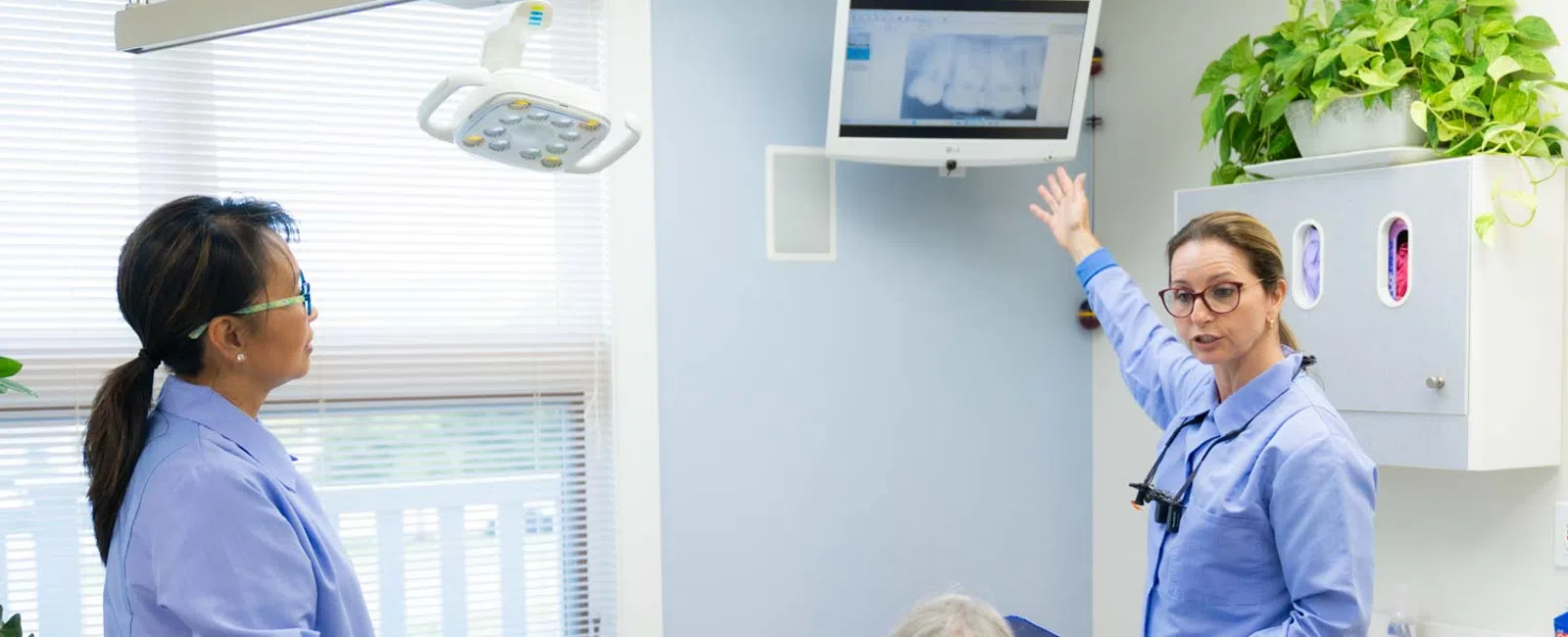
Digital X-rays give your dentist another view of these areas. They can help identify decay between teeth and provide information about tooth roots and surrounding bone. Finding a concern earlier may also give you an opportunity to address it before it causes more noticeable discomfort or damage.
3-D Scans Provide a Different View of Your Smile
Some dental treatments require more information than a traditional two-dimensional image can provide. A 3-D scan creates a detailed view that allows your dentist to examine your teeth and surrounding structures from multiple angles.
This information can become especially helpful when planning more complex care. At Contemporary Dental Arts, 3-D imaging can support detailed treatment planning when appropriate. Your dentist can use that information to better understand your individual anatomy before recommending the next step.
Digital Impressions Can Capture the Shape of Your Teeth
Traditional dental impressions use trays filled with impression material to create a model of your teeth. Digital technology can offer another approach for many treatments by scanning the surfaces of your teeth and creating a detailed digital model.
Digital impressions can help your dentist plan care that depends on an accurate understanding of tooth shape and position. They may support treatments such as crowns, orthodontic care, and other custom dental work. For you, digital scanning can also mean avoiding traditional impression material when the technology is appropriate for your treatment.
Dental Photography Can Help You See What Your Dentist Sees
It can be difficult to understand a dental concern when you cannot see it yourself. A close-up image can make conversations about your oral health much easier to follow.
Dental photographs allow your dentist to document visible details and show you specific areas of concern. Instead of simply hearing that a tooth has changed, you may be able to see the area and better understand why your dentist recommends monitoring or treating it. These images can also help track changes in your smile over time.
Technology Can Support More Personalized Treatment Planning
Dental technology does more than find problems. The information it provides can help your dentist understand your individual smile before planning treatment.
For example, detailed imaging can help evaluate bone and surrounding structures when considering a dental implant. Digital models can provide useful information when planning orthodontic or restorative care. At Contemporary Dental Arts, these technologies work alongside your dentist's experience to help create a treatment plan based on what your smile actually needs.
You do not need to wait until something hurts to learn more about your oral health. Regular dental visits combined with modern diagnostic technology can help uncover changes that may otherwise stay hidden.
Keep brushing and flossing every day, pay attention to anything that feels different, and stay consistent with preventive visits. If you are due for an exam or have questions about your smile, schedule an appointment with Contemporary Dental Arts in Williston, VT. Our team can use modern technology and personalized care to help you better understand what is happening beneath the surface.